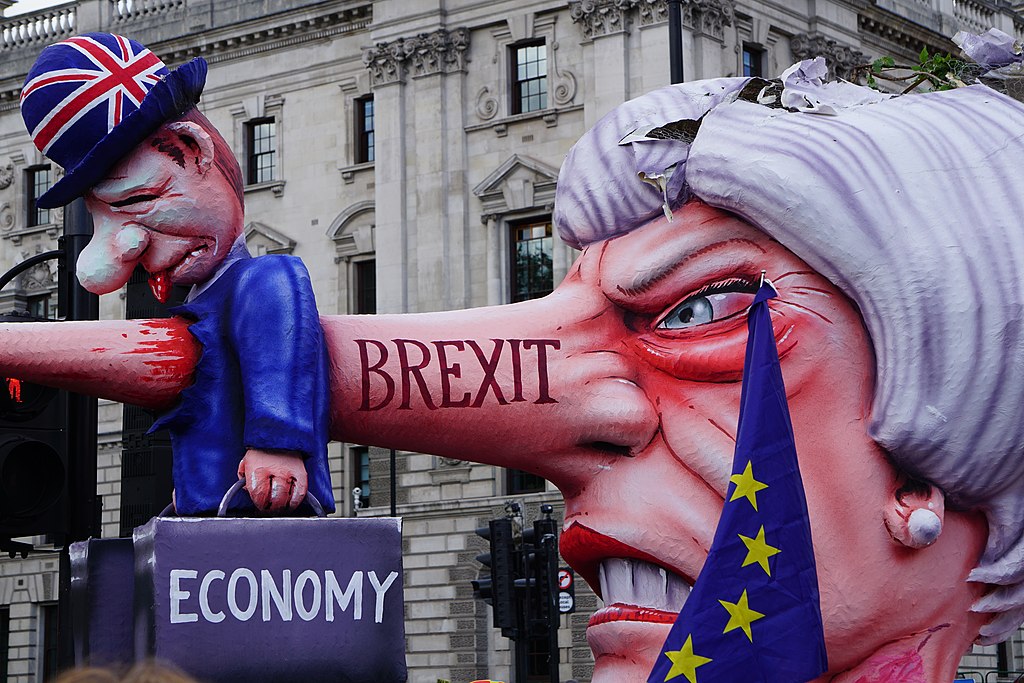

All this past week, Jon Danzig has been posting videos reminding us of the fatal flaws in the Brexit referendum and demonstrating that it was a sham. Nobody wants to rub the noses of deceived voters in this mess. The blame rests firmly with the politicians, the media and those shadowy proponents of this monumental act of self harm which has hit the country and ordinary people so hard. Some people will make money from deregulation and relaxed scrutiny of tax affairs, or from the abandoning of rights and protections which keep ordinary people safe, protect the environment and hold us to our climate crisis commitments. For the vast majority, Brexit is nothing but an unmitigated disaster, robbing businesses and individuals alike of access to opportunity and leaving the UK divided and beyond the pale.
Many of you reading this will have voted Remain. Perhaps you can share this in a spirit of reconciliation with those who were promised the undeliverable. It is only when we fully acknowledge the scope of the scam that we can begin to take action to heal the rifts created by those who take pleasure, make money and seize power from exploiting the divide. Editor
𝗪𝗔𝗦 𝗧𝗛𝗘 𝗥𝗘𝗙𝗘𝗥𝗘𝗡𝗗𝗨𝗠 𝗔𝗗𝗩𝗜𝗦𝗢𝗥𝗬 𝗢𝗡𝗟𝗬?
Still not sure if the EU referendum was an advisory poll rather than a binding vote?
So, watch this video argy-bargy from June 2018 between Michael Portillo and Professor A C Grayling and judge for yourself.
Ok, spoiler coming up:
 𝗬𝗘𝗦, 𝘁𝗵𝗲 𝗘𝗨 𝗿𝗲𝗳𝗲𝗿𝗲𝗻𝗱𝘂𝗺 𝘄𝗮𝘀 𝗮𝗱𝘃𝗶𝘀𝗼𝗿𝘆 𝗢𝗡𝗟𝗬.
It meant that the referendum was not a binding vote, merely an opinion poll that was not binding on the government or Parliament.
The House of Commons Library explained this in their briefing paper about the referendum:
‘It does not contain any requirement for the UK Government to implement the results of the referendum, nor set a time limit by which a vote to leave the EU should be implemented.
‘Instead, this is a type of referendum known as pre-legislative or consultative, which enables the electorate to voice an opinion which then influences the Government in its policy decisions.’
In addition:
‘The UK does not have constitutional provisions which would require the results of a referendum to be implemented, unlike, for example, the Republic of Ireland, where the circumstances in which a binding referendum should be held are set out in its constitution.’
[Link: https://commonslibrary.parliament.uk/research…/cbp-7212/]
The EU referendum, being advisory only, did not have to be implemented. There are many reasons why it shouldn’t have been:
Only 37% of the electorate voted for Leave – representing a minority opinion of the country.
The difference between Remain and Leave in the referendum was wafer thin – less than 4%.
Half the countries of the UK – Scotland and Northern Ireland – as well as Gibraltar (that also participated in the referendum), strongly voted against Brexit.
Many voters directly affected by the referendum result – hundreds of thousands of British citizens living across the EU, and millions of citizens from the rest of the EU living in the UK – were denied a vote.
There was no definition of ‘Leave’. Nobody who voted for ‘Leave’ was able to express any opinion on the ballot paper of what version of Leave they wanted (and there were many possible versions).
The Leave campaign had to rely entirely on lies to ‘win’ – yes, every single reason to Leave was untrue or based on a mistruth.
The Referendum was riddled with serious irregularities, illegalities, and alleged fraud, resulting in the Leave campaigns being fined for significant overspending and misuse of data.
There is credible evidence, known at the time of the referendum, that Putin’s Russia had extensively interfered in the referendum to secure a ‘win’ for Brexit. (This is currently being assessed by the European Court of Human Rights.)
The government and Parliament should never have accepted such a flawed referendum opinion.
Polls since the referendum show that a significant majority of voters in Britain think that Brexit is a mistake and they would now vote to rejoin.
𝗔𝗿𝗲 𝘆𝗼𝘂 𝗹𝗶𝘀𝘁𝗲𝗻𝗶𝗻𝗴, Rishi Sunak 𝗮𝗻𝗱 Keir Starmer?
Why the EU referendum was invalid – by the former Brexit Secretary
The EU referendum was fundamentally flawed according to criteria for good referendums set by ardent Brexiter and former Brexit Secretary, David Davis, MP.
In November 2002, Mr Davis, previously Chairman of the Conservative Party, told Parliament how a referendum should be run properly to be valid.
𝗕𝘂𝘁 𝗼𝗻 𝘁𝗵𝗲 𝗯𝗮𝘀𝗶𝘀 𝗼𝗳 𝗠𝗿 𝗗𝗮𝘃𝗶𝘀’𝘀 𝗰𝗿𝗶𝘁𝗲𝗿𝗶𝗮 𝗳𝗼𝗿 𝗴𝗼𝗼𝗱 𝗿𝗲𝗳𝗲𝗿𝗲𝗻𝗱𝘂𝗺𝘀, 𝘁𝗵𝗲 𝟮𝟬𝟭𝟲 𝗘𝗨 𝗿𝗲𝗳𝗲𝗿𝗲𝗻𝗱𝘂𝗺 𝘄𝗮𝘀 𝗘𝗡𝗧𝗜𝗥𝗘𝗟𝗬 𝗶𝗻𝘃𝗮𝗹𝗶𝗱.
That didn’t stop Mr Davis lauding the 2016 EU referendum as fair, legal and democratic – even though it wasn’t, according to the rules HE had set.
Mr Davis was appointed Chief Brexit Negotiator in Theresa May‘s new government in July 2016.
𝗪𝗮𝘁𝗰𝗵 𝘁𝗵𝗲 𝟮-𝗺𝗶𝗻𝘂𝘁𝗲 𝘃𝗶𝗱𝗲𝗼, 𝘁𝗵𝗲𝗻 𝗿𝗲𝗮𝗱 𝘁𝗵𝗲 𝗳𝘂𝗹𝗹 𝘀𝗵𝗼𝗰𝗸𝗶𝗻𝗴 𝘀𝘁𝗼𝗿𝘆 𝗮𝘁:
𝗣𝗔𝗥𝗟𝗜𝗔𝗠𝗘𝗡𝗧 𝗪𝗔𝗦 𝗗𝗘𝗡𝗜𝗘𝗗 𝗔 𝗩𝗢𝗧𝗘 𝗢𝗡 𝗪𝗛𝗘𝗧𝗛𝗘𝗥 𝗧𝗢 𝗟𝗘𝗔𝗩𝗘 𝗘𝗨
So, here’s THE key question: 𝗪𝗵𝗼 𝗺𝗮𝗱𝗲 𝘁𝗵𝗲 𝗱𝗲𝗰𝗶𝘀𝗶𝗼𝗻 𝗳𝗼𝗿 𝘁𝗵𝗲 𝗨𝗞 𝘁𝗼 𝗹𝗲𝗮𝘃𝗲 𝘁𝗵𝗲 𝗘𝗨?
𝗜𝘁 𝘄𝗮𝘀𝗻’𝘁 𝘁𝗵𝗲 𝗿𝗲𝗳𝗲𝗿𝗲𝗻𝗱𝘂𝗺. The referendum, as agreed by Parliament, was advisory only and not legally capable of making any decision.
This was confirmed by the Supreme Court, who also ruled that the decision to leave the EU had to be taken by Parliament.
𝗕𝘂𝘁 𝗣𝗮𝗿𝗹𝗶𝗮𝗺𝗲𝗻𝘁 𝗱𝗶𝗱𝗻’𝘁 𝗺𝗮𝗸𝗲 𝘁𝗵𝗲 𝗱𝗲𝗰𝗶𝘀𝗶𝗼𝗻 𝗲𝗶𝘁𝗵𝗲𝗿.
After the referendum, there was no debate or vote by MPs on the specific question of WHETHER Brexit should go ahead.
The then Brexit Secretary, David Davis, erroneously told Parliament in January 2017 that a Parliamentary decision wasn’t necessary, as ‘the decision’ to leave had already been taken by the referendum.
A ‘decision’ that the Supreme Court ruled was not capable of being made by an advisory referendum.
Bottom line: This was a stitch up. People need to know.
𝗪𝗛𝗔𝗧 𝗗𝗔𝗩𝗜𝗗 𝗖𝗔𝗠𝗘𝗥𝗢𝗡 𝗦𝗛𝗢𝗨𝗟𝗗 𝗛𝗔𝗩𝗘 𝗗𝗢𝗡𝗘 𝗔𝗕𝗢𝗨𝗧 𝗕𝗥𝗘𝗫𝗜𝗧
On the day after the referendum, 24 June 2016, the then Prime Minister, David Cameron, stood outside 10 Downing Street.
He could have said that, “The people of the United Kingdom have all had their say.”
But he didn’t. He didn’t mention “United Kingdom” at all.
What he said was, “Over 33 million people, from England, Scotland, Wales, Northern Ireland, and Gibraltar have all had their say.”
And this is a key point. Of the five territories asked to take part in the referendum, three strongly voted AGAINST Brexit.
Despite this, Brexit went ahead.
Brexiters are quick to point out that the referendum was a UK-wide vote. But it surely should not have been.
When David Cameron said that England, Scotland, Wales, Northern Ireland, and Gibraltar all had their say, he didn’t mention that the say of Scotland, Northern Ireland, and Gibraltar was to remain in the European Union.
Their say was ignored.
When a vote is taken in the EU on whether to go ahead with a big change, the say of each country is equal, whatever the size of their population.
With three out of five territories in the referendum voting against Brexit; with only a wafer-thin difference between Leave and Remain; with only 37% of the electorate supporting Leave, was it right to storm ahead with Brexit?
▪ Especially as, by Act of Parliament, the referendum was not a binding vote, but simply an advisory poll to enable voters “to voice an opinion” which might influence government policy, but without any constitutional requirement to accept the referendum “result.”
▪ Especially as Leave was entirely undefined in the referendum – the complicated and costly terms for leaving the EU were not agreed until over three years later, and without a mandate from the electorate for that version of Brexit. (And today, seven years after the referendum, the terms of Brexit are still being argued about.)
It was a lopsided referendum, pitching a known outcome [Remain] with a completely unknown outcome [Leave]. Of course, a referendum on this basis should never have gone ahead.
So, today, I have rewritten history to show what David Cameron should have done after the referendum instead of resigning and running away.
After the referendum, he should have announced that he would set up a Parliamentary commission to investigate what could be the right version of Brexit for Britain.
Then, when a version was agreed with the EU and endorsed by our Parliament, the country could have a new referendum, this time offering a choice of Remain on our current terms or Leave on specific terms.
That would have been the sensible way forward.
Tragically, a lack of sensible politics in recent times has led to Britain’s rapid diminution, hurting us all.
𝗘𝗩𝗘𝗥𝗬 𝗕𝗥𝗜𝗧𝗜𝗦𝗛 𝗣𝗥𝗜𝗠𝗘 𝗠𝗜𝗡𝗜𝗦𝗧𝗘𝗥 𝗧𝗛𝗔𝗧 𝗪𝗔𝗡𝗧𝗘𝗗 𝗨𝗦 𝗜𝗡 𝗧𝗛𝗘 𝗘𝗨
Every British Prime Minister from 1957 to 2016 wanted Britain IN the European Community.

They were:
① Harold Macmillan [Tory]
② Sir Alec Douglas-Home [Tory]
③ Edward Heath [Tory]
④ Harold Wilson [Labour]
⑤ James Callaghan [Labour]
⑥ Margaret Thatcher [Tory]
⑦ John Major [Tory]
⑧ Tony Blair [Labour]
⑨ Gordon Brown [Labour]
⑩ David Cameron [Tory]
Yes, all these ten prime ministers had good points and bad points. They had different policies and certainly didn’t agree on everything.
But without exception they all agreed on one thing: that membership of the European Community was in Britain’s best interests.
Jon Danzig is a campaigning journalist and film maker who specialises in writing about health, human rights, and Europe. He is also founder of the pro-EU information campaign, Reasons2Rejoin. You can follow Jon Danzig on his Facebook journalism page at www.Facebook.com/JonDanzigWrites